In short: SoHo art galleries began with Paula Cooper in 1968 and grew from three galleries in 1970 to more than 70 by 1976. In 1971 Leo Castelli, Ileana Sonnabend, John Weber and André Emmerich moved into 420 West Broadway. Rising rents and shops pushed most galleries to Chelsea from the mid-1990s, but SoHo set the model for every New York gallery district since.
Before Chelsea, before the Lower East Side and Tribeca, there was SoHo. For about twenty-five years the cast-iron blocks south of Houston Street were the centre of the American art world, and the way SoHo formed, through cheap lofts, artists and then dealers, became the pattern for every district after it. This history of SoHo art galleries covers the lofts, the dealers, the laws and the departure. Gallery Week Notes is independent and has no commercial link to any gallery.
What is SoHo?
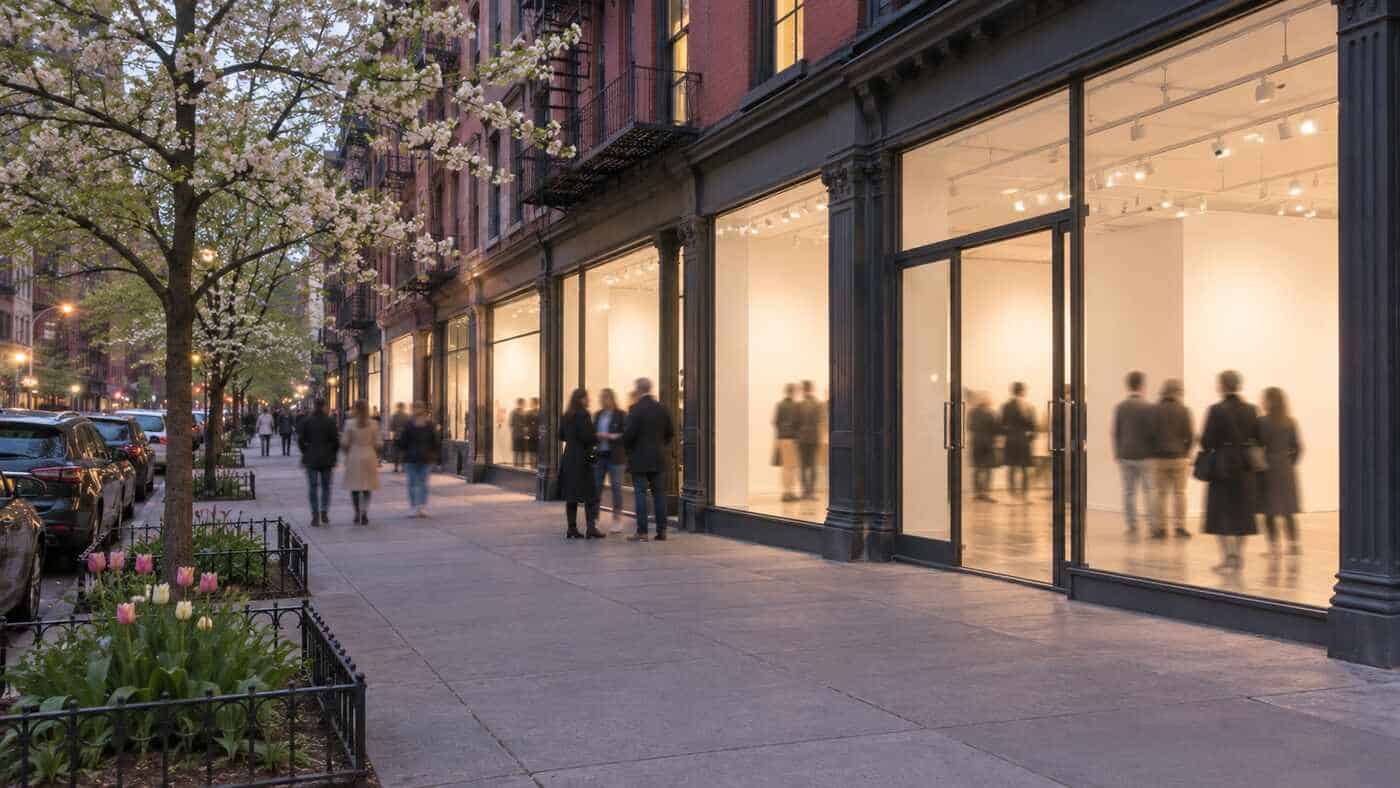
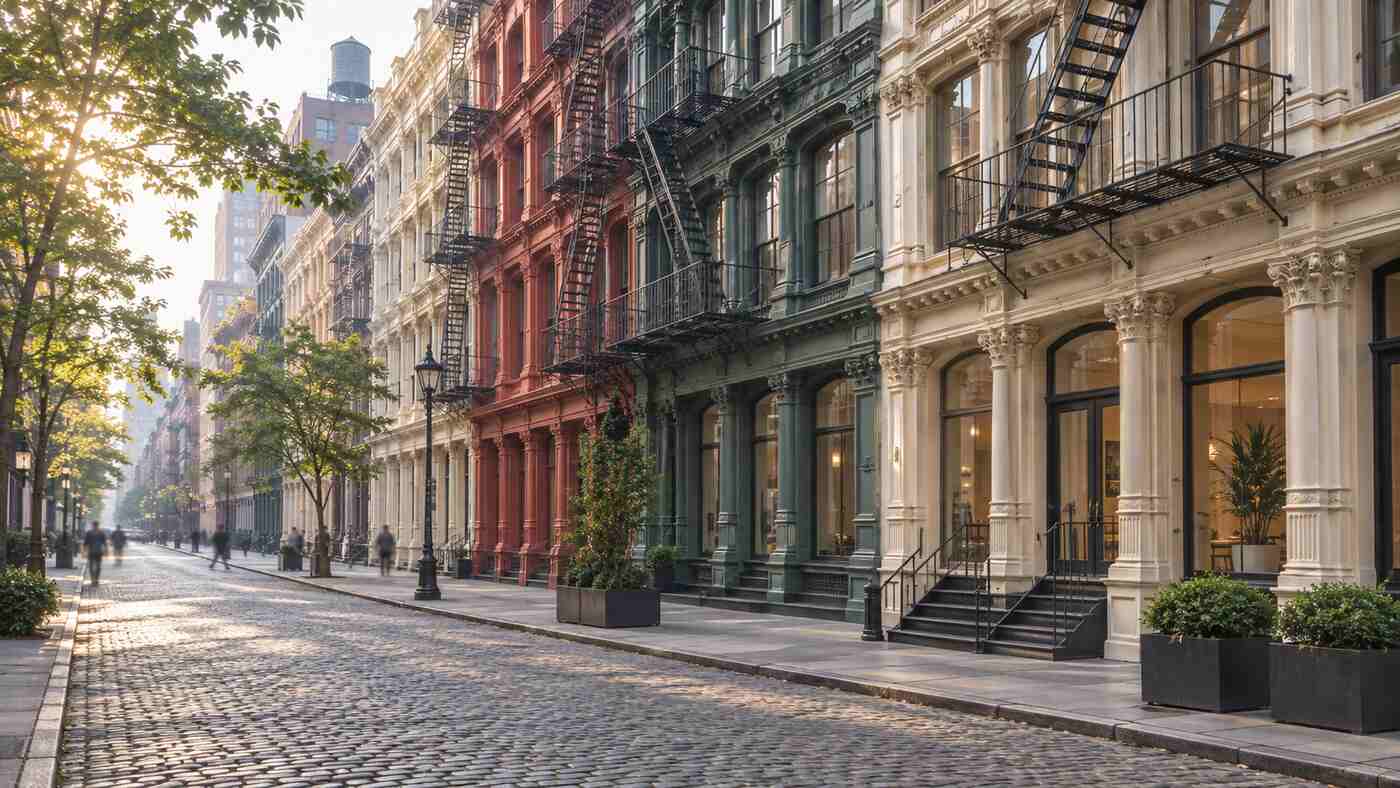
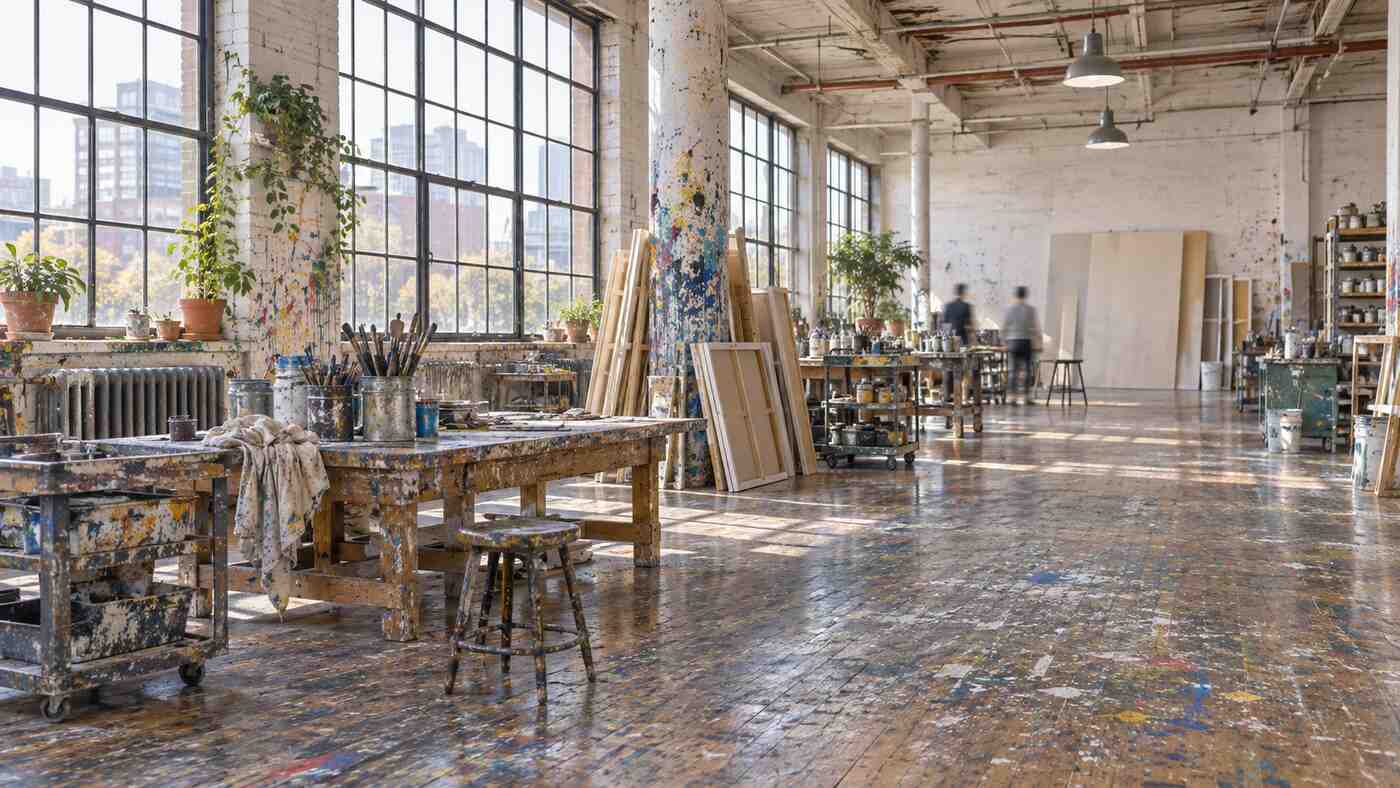
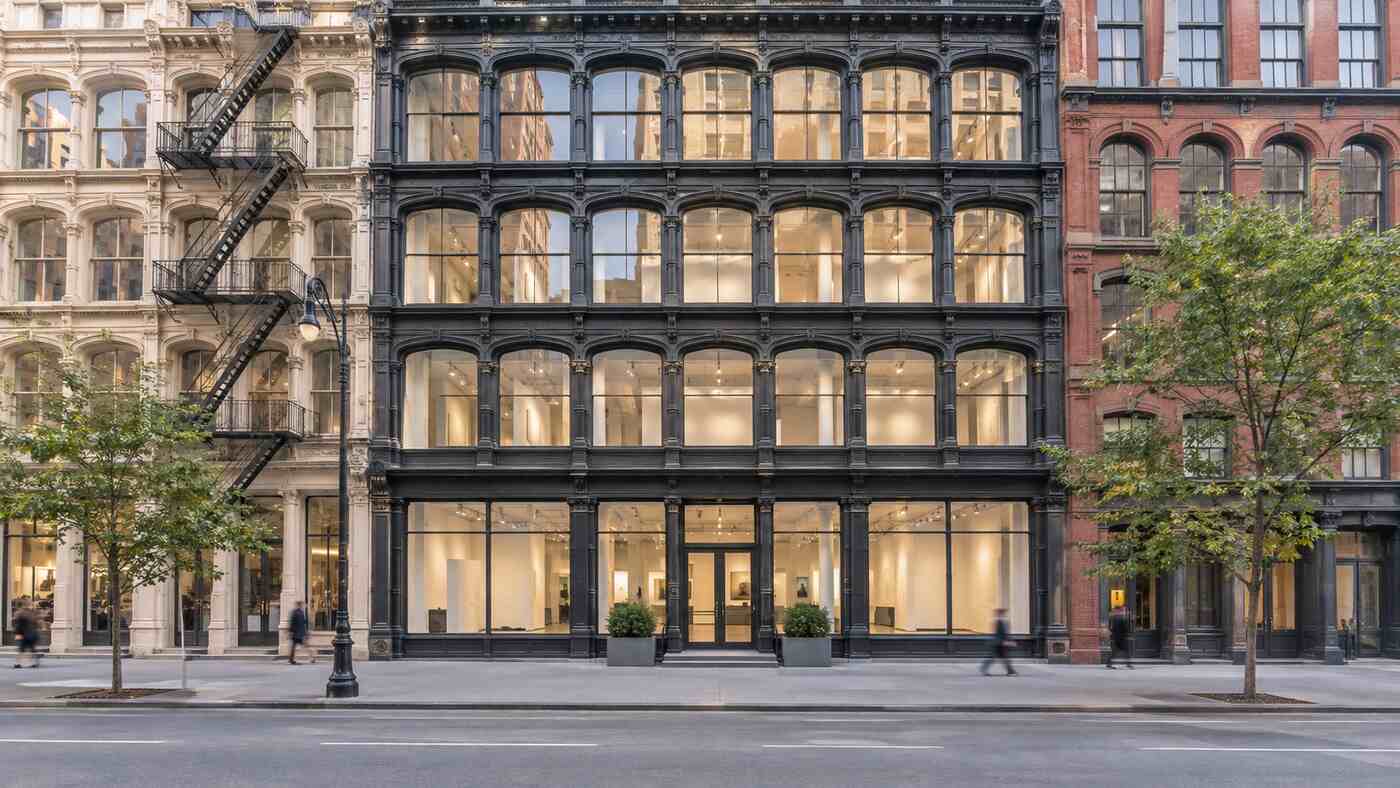
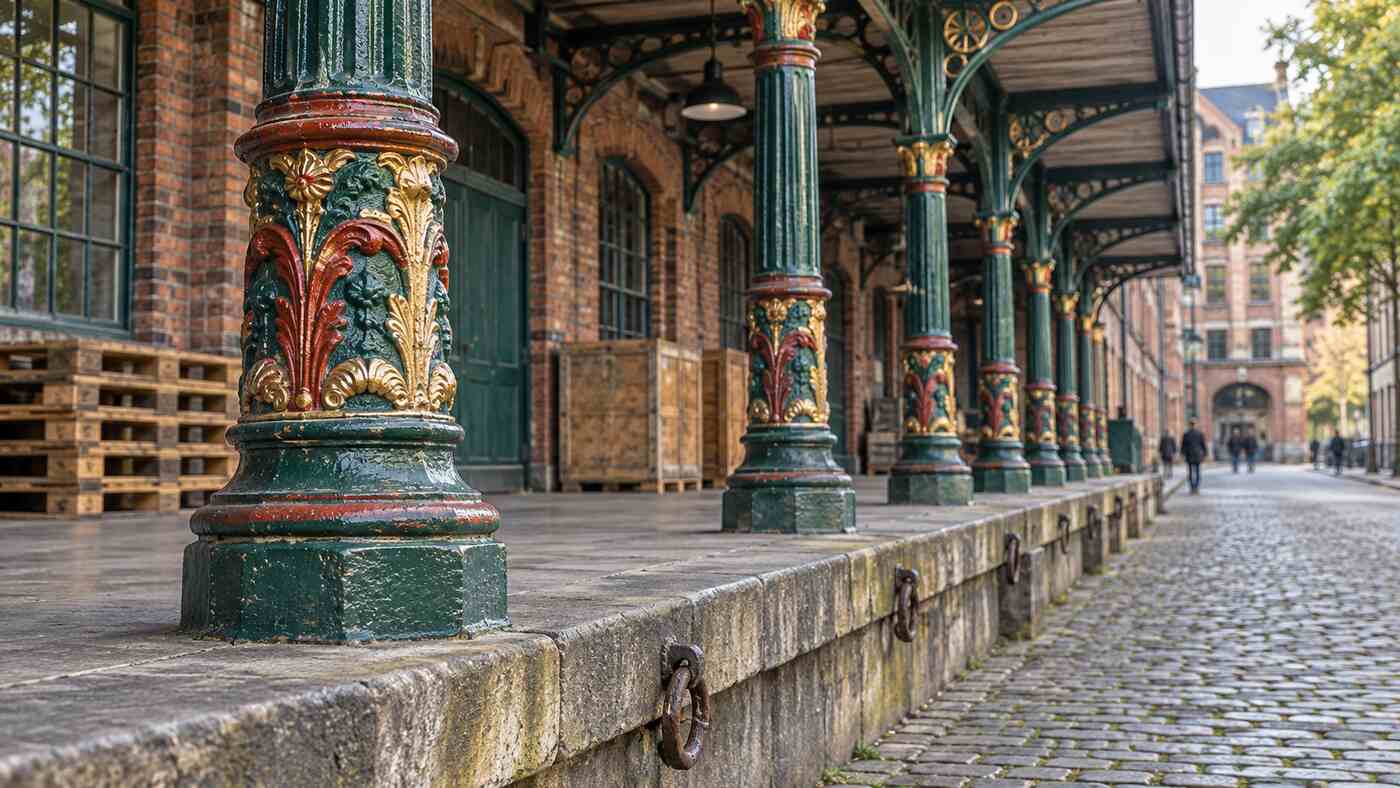
SoHo (short for “South of Houston”) is a Lower Manhattan district of 19th-century cast-iron commercial buildings. A loft is a large open upper floor of a former industrial building. According to CityRealty, by the 1960s artists were moving into SoHo’s large, high-ceilinged, cheap lofts, using vacant warehouses as studios, galleries and, often illegally, homes.
The first SoHo art galleries, 1968–1971
Paula Cooper Gallery describes itself as the first gallery in SoHo, opened in 1968. A 2011 study for SoHo Memory says Ivan Karp’s O.K. Harris Gallery followed in 1969 as the first gallery on West Broadway. It counted three galleries in the area in spring 1970, more than 40 by autumn 1973 and more than 70 by spring 1976.
The key moment came in 1971. Wikipedia’s Leo Castelli entry says Castelli, whose uptown gallery had opened in 1957 at 4 East 77th Street, opened a SoHo branch that year at 420 West Broadway, a building bought by the Hague Art Delivery Company and a co-operative of dealers. Castelli took the second floor and Ileana Sonnabend the third, with John Weber on the fourth and André Emmerich, later Charles Cowles, at the top. The Village Voice recalled the co-op deal for the building at 75,000. Castelli later added a larger space at 142 Greene Street in the 1980s.
The 1971 loft law and the 1973 historic district
Two public decisions shaped the neighbourhood. In 1971, CityRealty says, the city amended its zoning to let artists move in while protecting the businesses that still employed hundreds of workers. The SoHo Memory study adds that the City Planning Commission voted in January 1971 to legalize artists’ residential use of manufacturing lofts, and that to get a residential certificate of occupancy one resident per unit had to be an artist certified by the Department of Cultural Affairs.
In August 1973 The New York Times reported that SoHo had been made a historic district. Google Arts & Culture gives the designation date as 14 August 1973 and an extension as 11 May 2010. CityRealty says the original district protected about 500 buildings on 25 blocks, and the 2010 extension added about 135 properties. It also lists A.I.R. Gallery, which it calls the city’s oldest women’s art co-operative, among the area’s notable galleries.
SoHo art galleries and Chelsea counts
| Year | SoHo | Chelsea |
|---|---|---|
| 1990 | 275 | 16 |
| 1995 | 286 | 12 |
| 2000 | 192 | 144 |
| 2005 | 133 | 257 |
| 2007 | 104 | 303 |
The table comes from the SoHo Memory study. Its definitions differ from other counts, such as the Chelsea figures in our Chelsea gallery guide, so compare trends rather than single numbers.
Why did galleries leave SoHo?
The study blames a combination of the early 1990s art market downturn and higher SoHo rents. Galleries could not compete for ground floors with high-end shops and expensive restaurants, and West Broadway’s listings of commercial fine art galleries fell by more than 40 percent from 1990 to 2000. Chelsea’s garages offered larger, column-free rooms with truck access at lower rents. The study notes that Castelli’s gallery closed in 1999 after his death, and that Sonnabend moved to Chelsea in 2000.
Dealers said the same at the time. In 1997 the Los Angeles Times reported on the move west: Helene Winer of Metro Pictures, which had spent 16 years in SoHo, said “SoHo did us in”, and Paula Cooper, after more than 25 years in SoHo, recalled it as once “a place of desolation, filled with sweat shops”. The paper said many former gallery spaces had become stores, the same change that the SoHo Memory study later measured street by street on West Broadway.
Not everyone agreed that SoHo was finished. In February 1999 Holland Cotter wrote in The New York Times that galleries had left “in droves” as boutiques and shops moved in, but that it was premature to call SoHo an art-world wasteland. Paula Cooper herself moved to Chelsea in 1996. The Archives of American Art holds the Leo Castelli Gallery records for researchers.
SoHo art galleries today
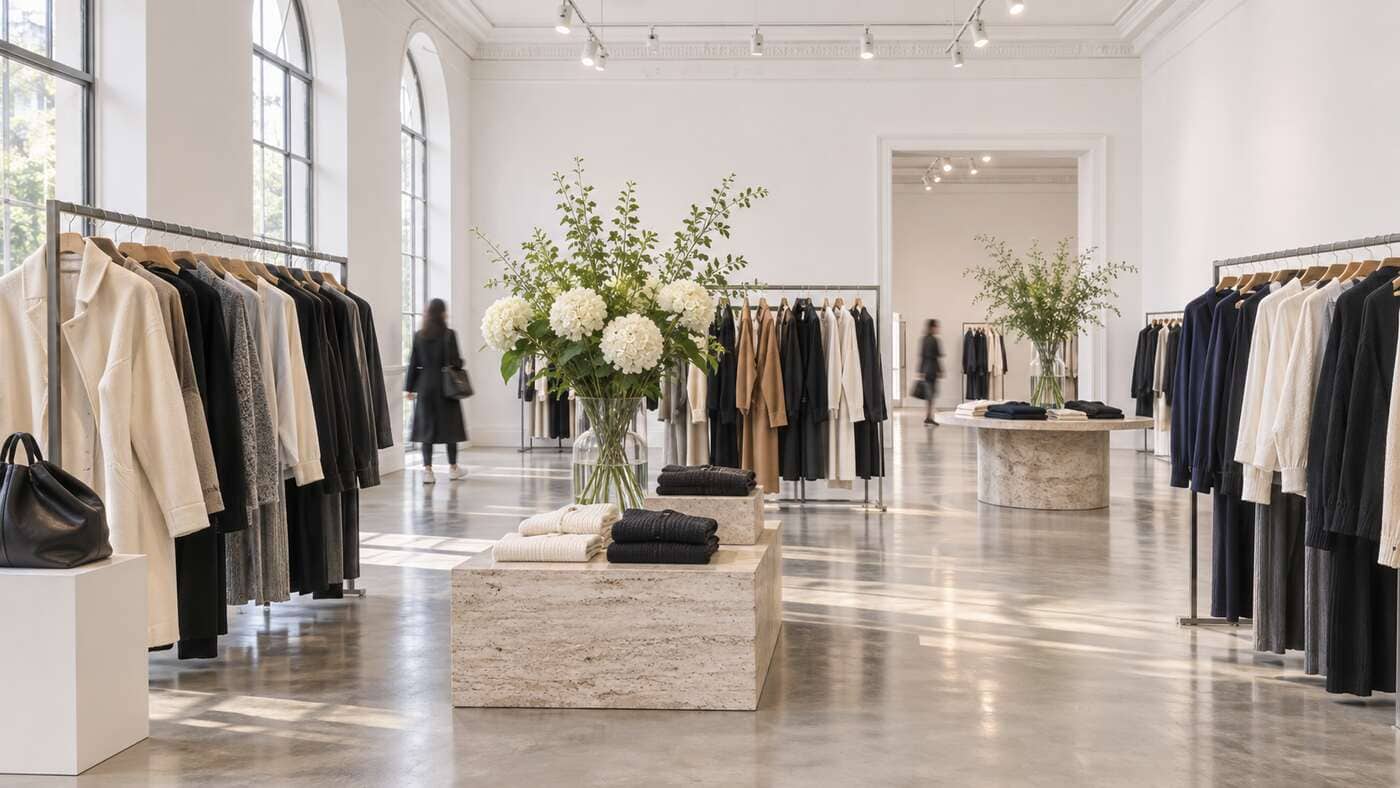
SoHo is now mainly a shopping district, but galleries remain, and some took part in New York Gallery Week in 2010 and 2011, which held receptions there. Our New York Gallery Week history covers those weekends, and our guide to the Lower East Side shows how the SoHo pattern repeated a few blocks east.
Key takeaways
- SoHo art galleries started with Paula Cooper in 1968 and O.K. Harris in 1969.
- In 1971 Castelli, Sonnabend, Weber and Emmerich opened at 420 West Broadway.
- A 1971 law let certified artists live in SoHo lofts, and the cast-iron district was designated in 1973.
- Gallery numbers rose from three in 1970 to more than 70 by 1976 and about 286 by 1995.
- Rents and retail drove most galleries to Chelsea between the mid-1990s and 2000s.
Common questions
What was the first gallery in SoHo?
Paula Cooper Gallery, opened in 1968, according to the gallery and the SoHo Memory study. Ivan Karp’s O.K. Harris followed in 1969 as the first gallery on West Broadway. Paula Cooper moved to Chelsea in 1996 and is now at 521 West 21st Street.
What was 420 West Broadway?
A SoHo building bought in 1971 by the Hague Art Delivery Company and a co-operative of dealers. It housed Leo Castelli, Ileana Sonnabend, John Weber and André Emmerich, later Charles Cowles, making it one of the most important gallery addresses in the world for decades.
When did galleries leave SoHo for Chelsea?
Mostly between the mid-1990s and the mid-2000s. The SoHo Memory study counts 286 SoHo galleries in 1995 and 104 in 2007, while Chelsea rose from 12 to 303 over the same years. Dia went to Chelsea earlier, in 1987.
Are there still galleries in SoHo?
Yes, though far fewer than in the 1980s and 1990s, and many ground floors are now shops. Galleries that remain are generally free to visit. Check current listings before you go, because the mix changes often.
How we put this together: gallery dates and counts come from Paula Cooper Gallery, Wikipedia and the SoHo Memory study; zoning and landmark dates from CityRealty, Google Arts & Culture and The New York Times; the 1999 view from Holland Cotter. Counts use different definitions, so we name each source.
Sources
- Paula Cooper Gallery: Information
- SoHo Memory: From Boho to SoHo, 2011
- Wikipedia: Leo Castelli
- The Village Voice: 420, RIP
- CityRealty: Landmarks commission enlarges SoHo-Cast Iron Historic District, 2010
- The New York Times: SoHo made a historic district, 1973
- Google Arts & Culture: SoHo-Cast Iron Historic District
- The New York Times: Changes aside, SoHo is still very much SoHo, 1999
- Los Angeles Times: galleries move to Chelsea, 1997
- Archives of American Art: Leo Castelli Gallery records
Back to the Gallery Week Notes home page.