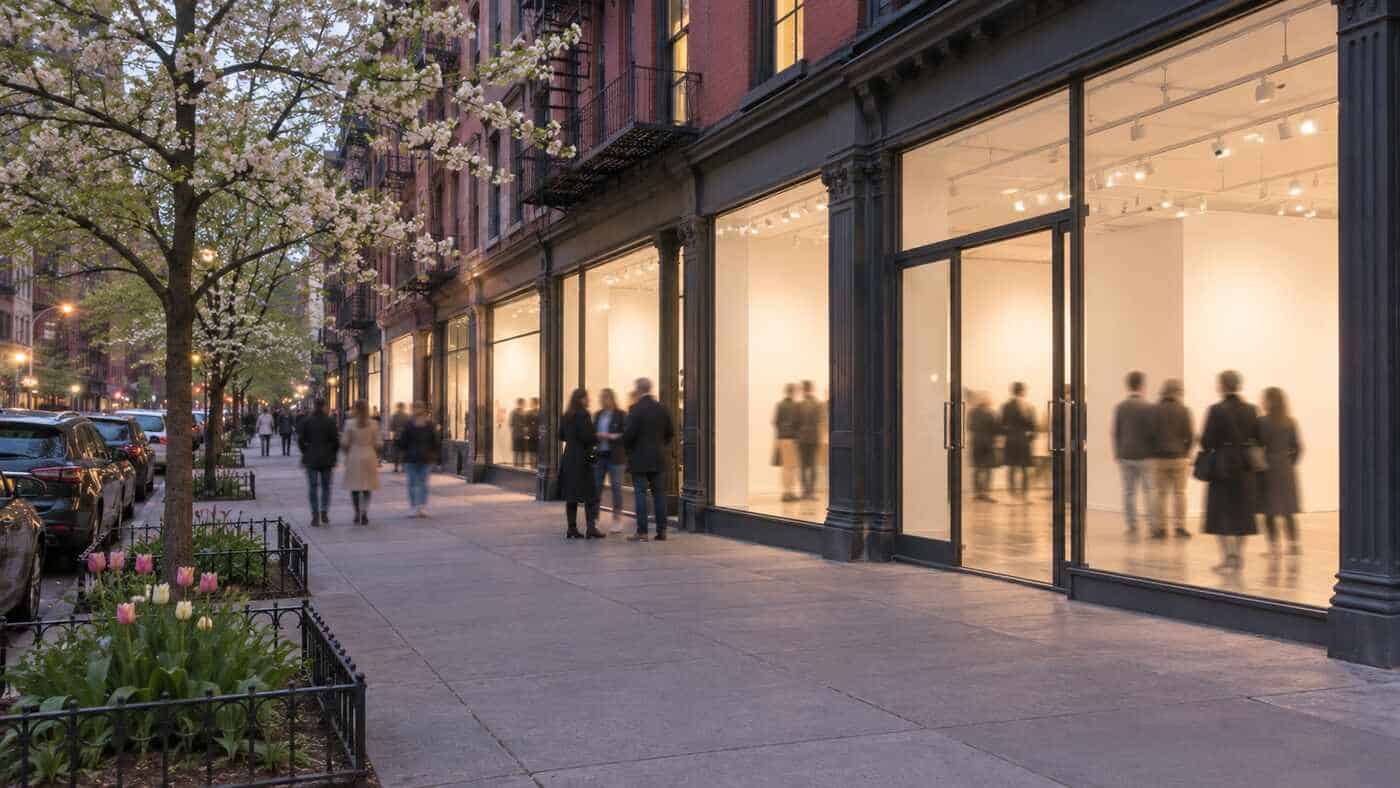
In short: New York Gallery Week was a weekend of solo exhibitions, talks and receptions organized by New York’s commercial galleries themselves. A pilot ran from 7 to 10 May 2010 with about 50 galleries and seven nonprofits. The second edition, from 6 to 8 May 2011, had about 60 participants and benefited the Whitney Museum of American Art.
In 2010 a group of New York dealers tried something new: instead of taking booths at an art fair, they would open their own doors on the same weekend and invite the public in. New York Gallery Week ran twice, in 2010 and 2011. This history covers who started it, how it worked and which galleries took part. Gallery Week Notes is an independent site and is not the original New York Gallery Week or its organizers.
What was New York Gallery Week?
New York Gallery Week was a gallery-led event in which participating galleries each presented a solo exhibition over one weekend, with free talks, tours and receptions across several neighbourhoods. A gallery week (or gallery weekend) is a coordinated programme run by commercial galleries in their own spaces, as opposed to an art fair, where dealers rent booths under one roof. The archived 2011 about page of the original website said the aim was to “refocus public attention toward the city’s long-standing exceptional gallery programming”.
The 2010 pilot
The idea was announced in November 2009. Art Observed summarized a Bloomberg report by Lindsay Pollock that 53 influential New York dealers and seven nonprofits were uniting to create New York Gallery Week, at a time when auction houses and art fairs drew most of the attention.
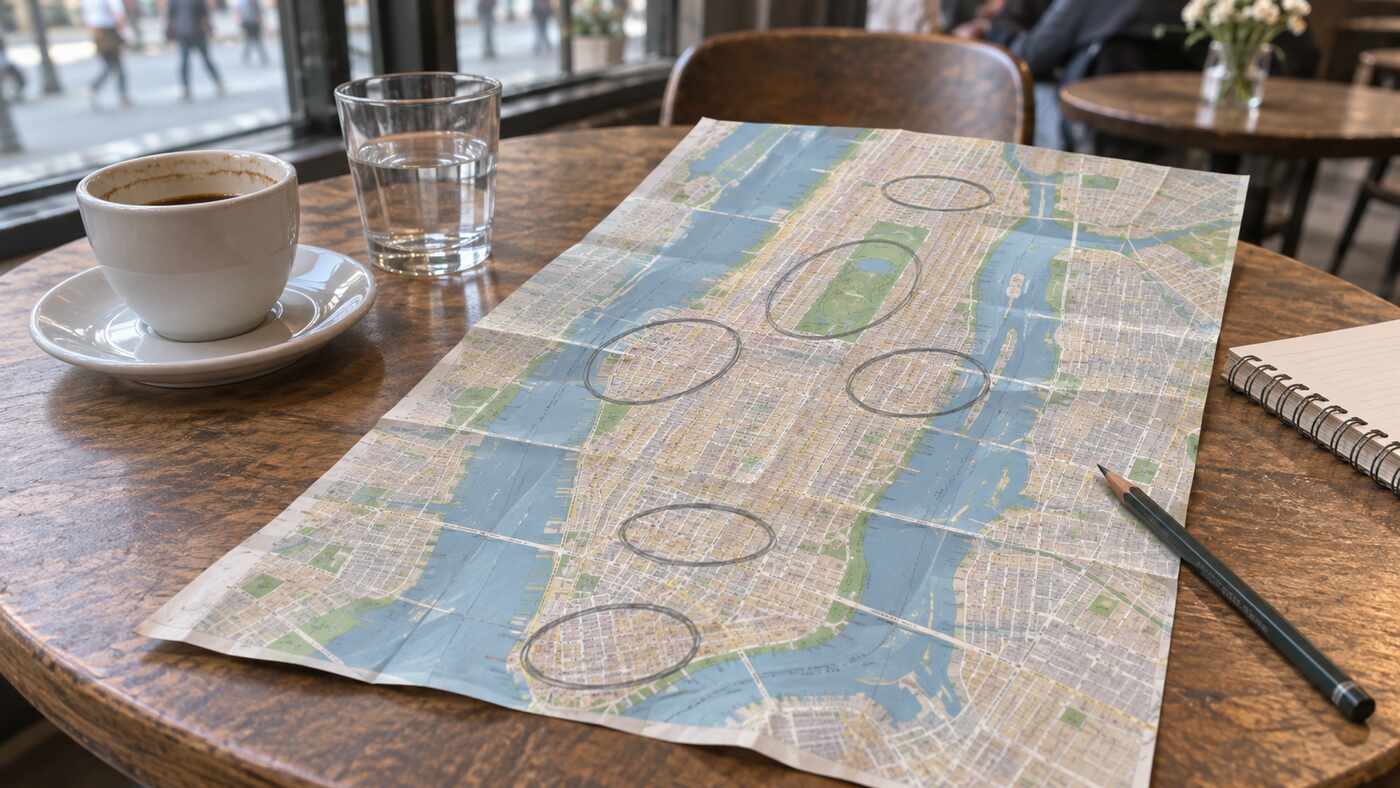
The pilot took place from 7 to 10 May 2010. According to FAD magazine, about 50 galleries and seven nonprofits took part across Chelsea, SoHo, the Lower East Side and Bowery, the Upper East Side and 57th Street. Each gallery showed a solo exhibition, and the programme included free artist talks, guided tours, panels, film screenings, book signings and performances. FAD noted that galleries normally closed on Sundays and Mondays would stay open all weekend with extended hours. FAD said the event was started by the dealer Casey Kaplan, with a committee that included Jane Hait of Wallspace, Anton Kern, Friedrich Petzel, Andrew Richards of Marian Goodman Gallery, Pascal Spengemann and Kelly Taxter, and Angela Choon of David Zwirner.
The 2010 weekend, day by day
| Day | Hours | Receptions, 6–8 pm |
|---|---|---|
| Friday 7 May | Normal hours, special events | None listed |
| Saturday 8 May | 10 am–6 pm | Chelsea and uptown galleries |
| Sunday 9 May | 11 am–6 pm | Bowery, Lower East Side, SoHo and West Village |
| Monday 10 May | 11 am–6 pm | None listed |
The 2010 line-up mixed large and small galleries. FAD’s list included Thomas Struth at Marian Goodman, Roni Horn at Hauser & Wirth, Trisha Donnelly at Casey Kaplan, Wilhelm Sasnal at Anton Kern, Amy Sillman at Sikkema Jenkins, Jim Nutt at David Nolan and Jorge Pardo at Petzel, alongside younger Lower East Side spaces such as Canada, Eleven Rivington and James Fuentes. Petzel’s exhibition page records a panel on 9 May with the critic Irving Sandler, and David Nolan Gallery lists its Jim Nutt show of that spring. FAD said the solo format was meant to celebrate the moment when an artist’s work is shown together in one space, before it is sold and dispersed to collectors and museums.
Why galleries wanted their own week
The organizers presented the week as a response to the growth of fairs. The Art Newspaper asked in June 2010 whether fairs should feel threatened by gallery weeks. It reported that the pilot drew hundreds of visitors and quoted Kaplan on breaking down galleries’ “icy veneers”. It noted that, unlike a fair, the week required galleries to show a solo exhibition in their own space. The Independent listed the New York event in its weekly international arts agenda.
The two editions compared
| Feature | 2010 pilot | 2011 edition |
|---|---|---|
| Dates | 7–10 May 2010 | 6–8 May 2011 |
| Participants | About 50 galleries and 7 nonprofits | About 60 galleries and nonprofits |
| Format | Solo exhibitions, free talks and tours | Solo exhibitions, free events, Whitney gala |
| Neighbourhoods | Chelsea, SoHo, Lower East Side, Upper East Side, 57th Street | Chelsea, SoHo, Lower East Side, West Village, Upper East Side, 57th Street |
| Extras | Weekend receptions | Benefit for the Whitney, iPhone app |
The 2011 edition and the Whitney benefit
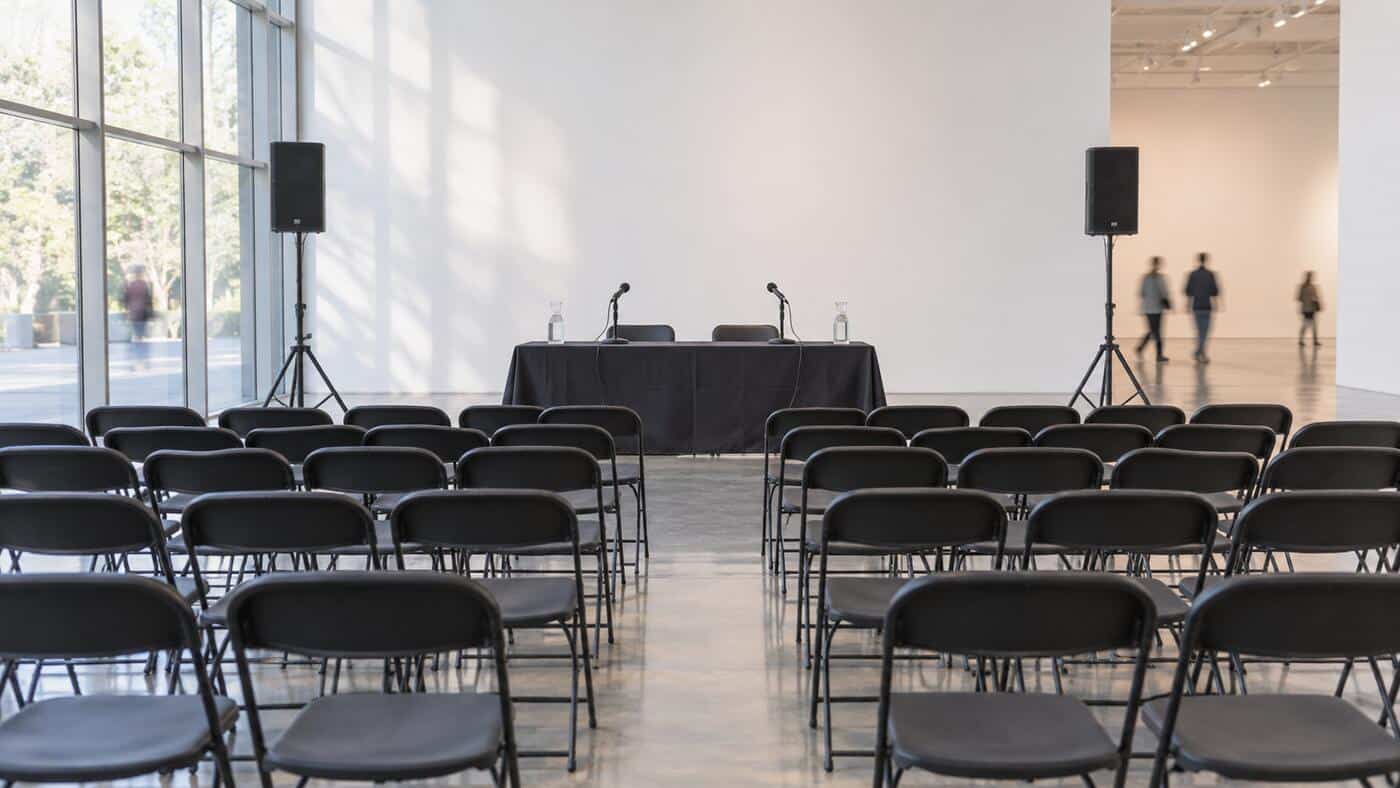
The second edition ran from 6 to 8 May 2011. An e-flux announcement described 60 contemporary galleries and nonprofit spaces across Chelsea, SoHo, the Lower East Side and Bowery, the West Village, the Upper East Side and 57th Street, a benefit for the Whitney Museum of American Art with a gala at the museum on Saturday 7 May, and an iPhone app called The Exhibitionist that mapped gallery locations and highlighted events. Whitney curators took part in some programmes. Participants included 303 Gallery, Miguel Abreu, Marianne Boesky, Bortolami with Aaron Young, Gavin Brown’s Enterprise with Rob Pruitt, Cheim & Read with Louise Bourgeois, Marian Goodman with William Kentridge, Hauser & Wirth with Subodh Gupta, Sean Kelly with Robert Mapplethorpe, Metro Pictures with Louise Lawler, Pace with Richard Tuttle and David Zwirner with Donald Judd.
The nonprofit partners included Artists Space, Creative Time, the Drawing Center, Friends of the High Line, The Kitchen, Printed Matter, Public Art Fund, SculptureCenter, the Swiss Institute and White Columns. Sean Kelly Gallery’s exhibition page cites a Wall Street Journal article of 5 May 2011, “New York Gallery Week Returns”.
What happened next?
We found no record of a third edition in the sources we checked, and the original website stopped being updated after 2011. Its ideas lasted. Kaplan’s role is still noted in New York City Tourism’s Chelsea gallery guide. Since 2012 the big May weekend has instead centred on art fairs, which our guide to New York art week in May explains. Our Chelsea gallery guide covers the district where most participants were based.
Key takeaways
- New York Gallery Week was a gallery-led weekend of solo shows, talks and receptions.
- The 2010 pilot ran 7–10 May with about 50 galleries and seven nonprofits, led by Casey Kaplan.
- The 2011 edition ran 6–8 May with about 60 participants and benefited the Whitney Museum.
- Participants ranged from 303 Gallery and Pace to nonprofits such as Artists Space and White Columns.
- We found no evidence of an edition after 2011.
Common questions
When was New York Gallery Week?
There were two editions. The pilot ran from 7 to 10 May 2010, according to FAD magazine, and the second edition from 6 to 8 May 2011, according to e-flux. Both took place in May, the busiest month in the New York art calendar.
Who organized New York Gallery Week?
It was organized by the participating galleries. FAD magazine credited the dealer Casey Kaplan with starting it, working with a committee of dealers and gallery directors from Wallspace, Anton Kern, Petzel, Marian Goodman and David Zwirner, among others.
How was it different from an art fair?
Galleries stayed in their own spaces and each showed a solo exhibition, rather than renting booths in a single hall. Events were free and spread across neighbourhoods. The Art Newspaper pointed to the solo-show rule as a key difference.
Is this the official New York Gallery Week site?
No. Gallery Week Notes is an independent guide that uses this address to document the event’s history and to help visitors explore New York galleries. It is not run by the original organizers or any gallery.
How we put this together: dates, participants and format come from FAD magazine, Art Observed, The Art Newspaper and the 2011 e-flux announcement; the stated aim comes from the archived about page; the gallery pages confirm individual shows. We have not named the event’s staff.
Sources
- Wayback Machine: New York Gallery Week about page, 2011
- Art Observed: Newslinks, 4 November 2009
- FAD magazine: New York Gallery Week to present over 50 solo exhibitions, 2010
- The Art Newspaper: Should fairs feel threatened by gallery weeks?, 2010
- The Independent: Weekly arts agenda, 2010
- e-flux: New York Gallery Week announces its second annual event, 2011
- Sean Kelly Gallery: Robert Mapplethorpe, 2011
- Petzel Gallery: Jorge Pardo, 2010
- David Nolan Gallery: Jim Nutt, 2010
- New York City Tourism: Chelsea gallery guide
Back to the Gallery Week Notes home page.