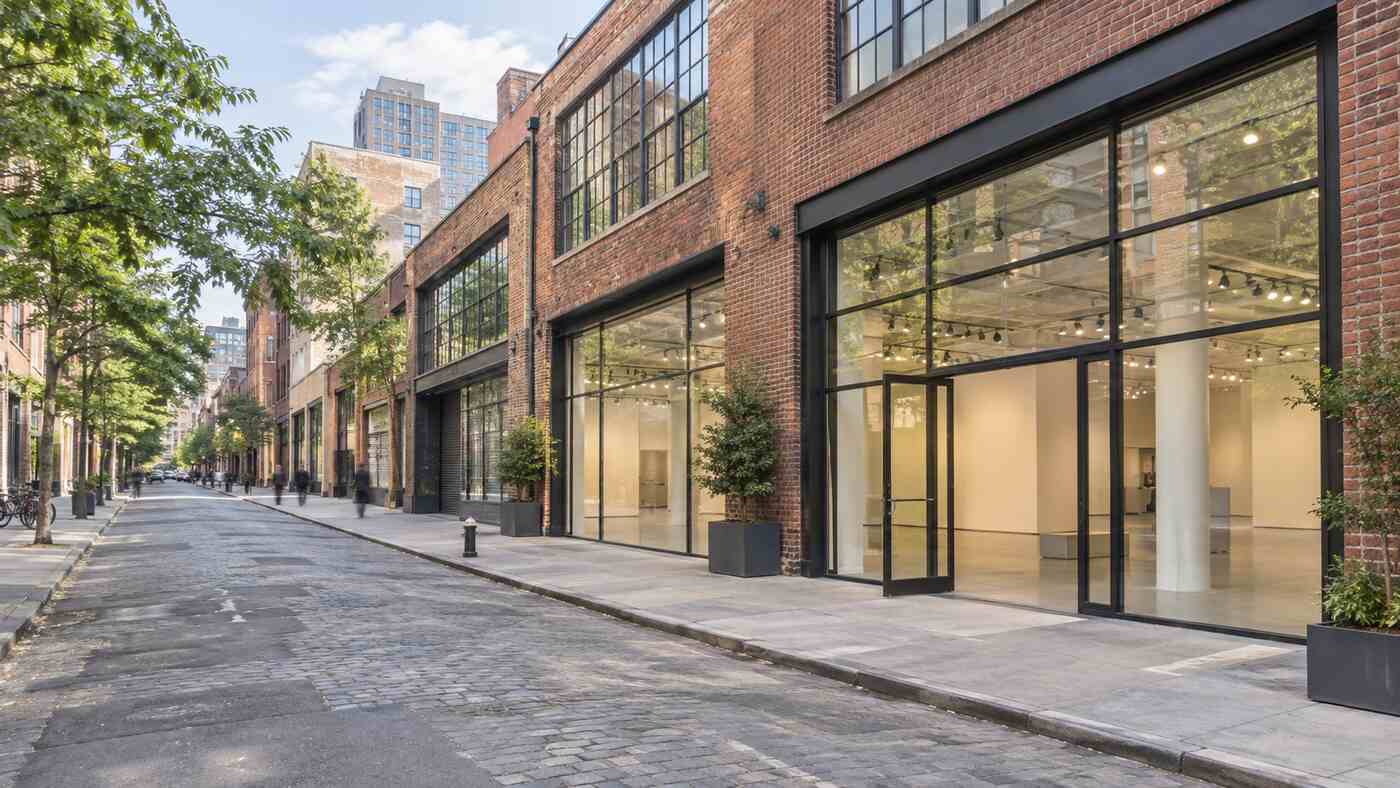
In short: Chelsea art galleries fill the blocks between West 18th and West 28th streets and 10th and 11th avenues. Dealers began moving into the area’s garages in the late 1980s and 1990s, and by 2007 it had about 350 galleries. Entry is free, most galleries open Tuesday to Saturday, and new shows usually open on Thursday evenings.
West Chelsea is the largest concentration of commercial art galleries in New York, and for many visitors it is the first place they see contemporary art outside a museum. Most of the galleries that took part in New York Gallery Week in 2010 and 2011 were based here. This guide to Chelsea art galleries explains how the district formed, what a gallery visit involves and how to plan one. Gallery Week Notes is independent and has no commercial link to any gallery.
What is the Chelsea gallery district?
The Chelsea gallery district is the part of West Chelsea, on Manhattan’s West Side, where hundreds of commercial galleries occupy former garages, warehouses and industrial buildings. New York City Tourism describes it as largely concentrated between West 18th and West 27th streets and 10th and 11th avenues. The NYC-ARTS walking tour gives 18th to 28th Street. A commercial gallery is a business that represents artists and sells their work, while presenting exhibitions that anyone can visit for free.
How Chelsea art galleries took over the district
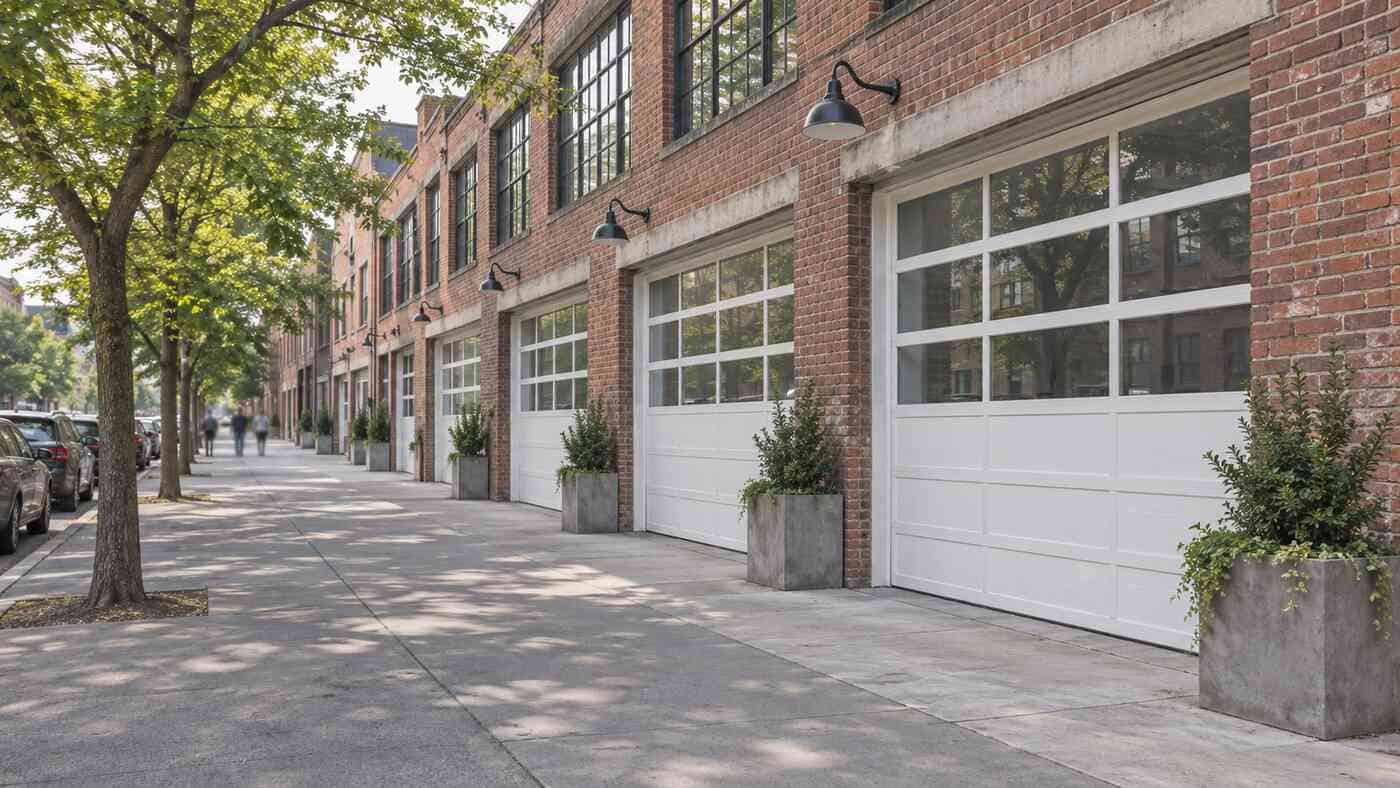
The move began in the late 1980s. A 1997 Los Angeles Times report traced it to the Dia Art Foundation, which opened in the area in 1987. Matthew Marks opened in October 1994 with an Ellsworth Kelly show, and Paula Cooper followed in October 1996 with Carl Andre, in a space designed by Richard Gluckman. A 2023 T Magazine history credits Pat Hearn with moving to Chelsea in 1994. In October 1997 The New York Times reported that ex-garages in West Chelsea were drawing galleries away from SoHo.
The Los Angeles Times report explains why dealers came. Matthew Marks, on West 22nd Street in the same block as Dia, said his was the only gallery in Chelsea when he opened, and that 1,000 people came to the Kelly show. He had looked for space in SoHo, but “all the spaces I had looked at three years earlier had become stores”. Helene Winer and Janelle Reiring of Metro Pictures and Barbara Gladstone joined Marks in buying a former cutlery factory and garage on West 24th Street, which they called the “MGM building”. Winer told the paper that “SoHo did us in”. The appeal was physical too: wide streets, river light, no tall buildings casting shadows, and big concrete-floored rooms with skylights.
Paula Cooper Gallery says it was the first gallery in SoHo, in 1968, moved to Chelsea in 1996 and opened at 521 West 21st Street in 1999. Our history of SoHo galleries explains what they left behind.
Chelsea art galleries over time
| Year | Galleries | Source |
|---|---|---|
| 1975 | 13 | Observer, citing a 2013 study |
| 1995 | 34 | Observer |
| 1997 | 35 galleries and 2 nonprofits (gallery guide), or 67 (study) | Los Angeles Times, Observer |
| 1999 | 133 | Observer |
| 2002 | 201 (peak in the study) | Observer |
| 2003 | 176 | Observer |
| 2007 | About 350 | T Magazine |
The figures come from different counts, so treat them as a trend rather than an exact series. The 2013 study reported by The Observer used its own definition of the area, and T Magazine’s figure is for the wider district.
The High Line and the 2005 rezoning
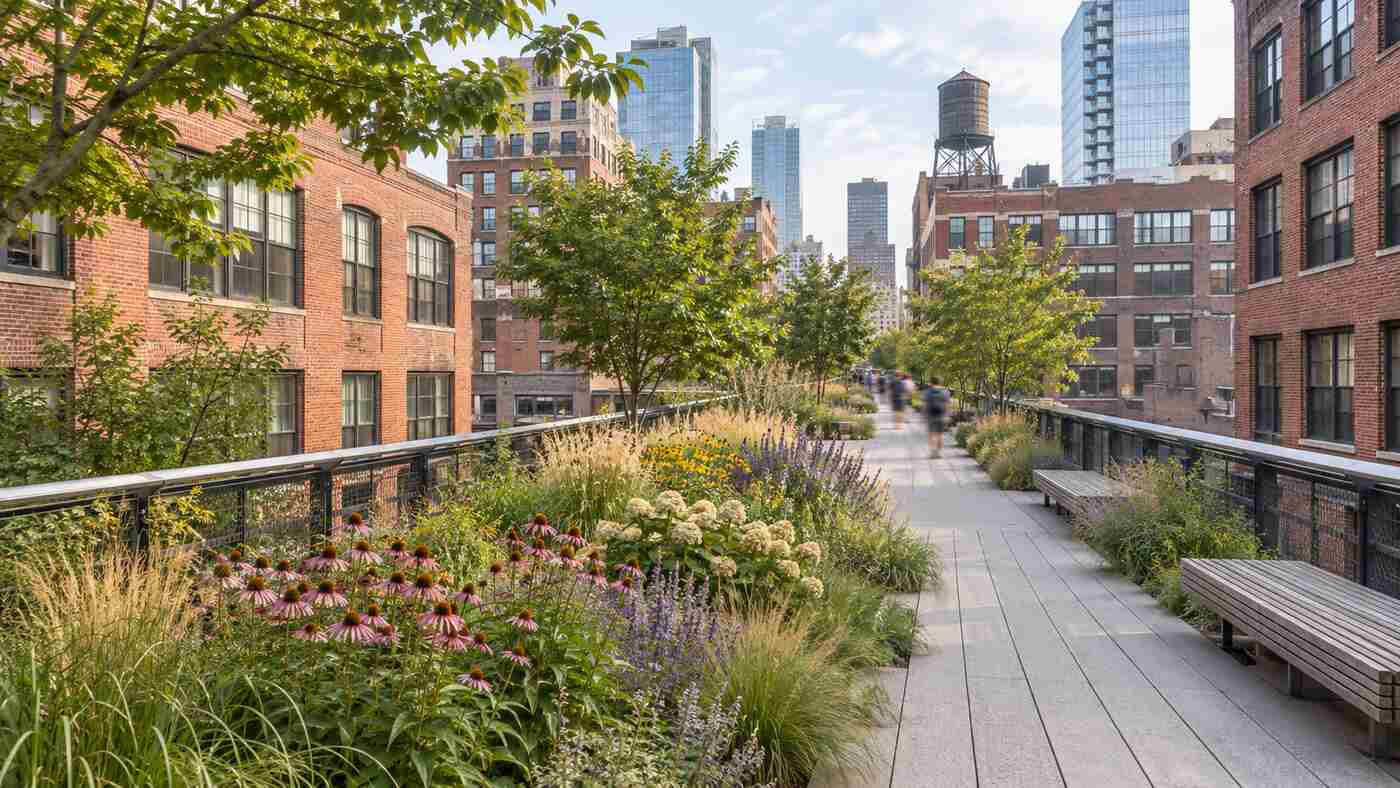
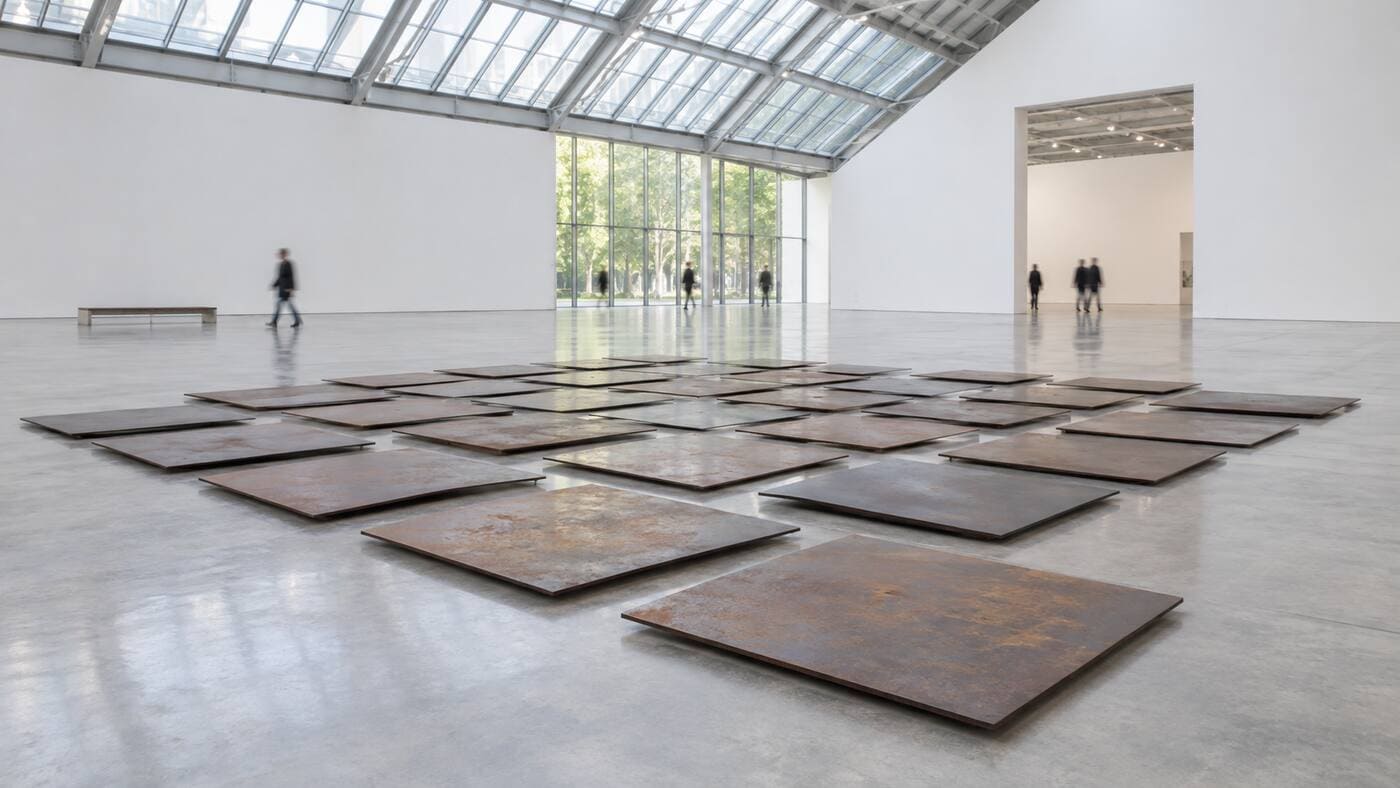
The district changed again in the 2000s. According to NYC-ARTS, much of West Chelsea was rezoned in 2005 to allow the development of the High Line, the park built on an old elevated railway, and to encourage the continued use of former industrial buildings as galleries. NYC-ARTS describes Chelsea today as home to hundreds of galleries and artists’ studios and an international hub for contemporary art. Since 2019 a wave of galleries has also opened in Tribeca, which our Tribeca gallery guide covers. Chelsea remains home to the largest galleries, many of which state on their websites that exhibitions are free and need no booking.
How do you visit Chelsea art galleries?
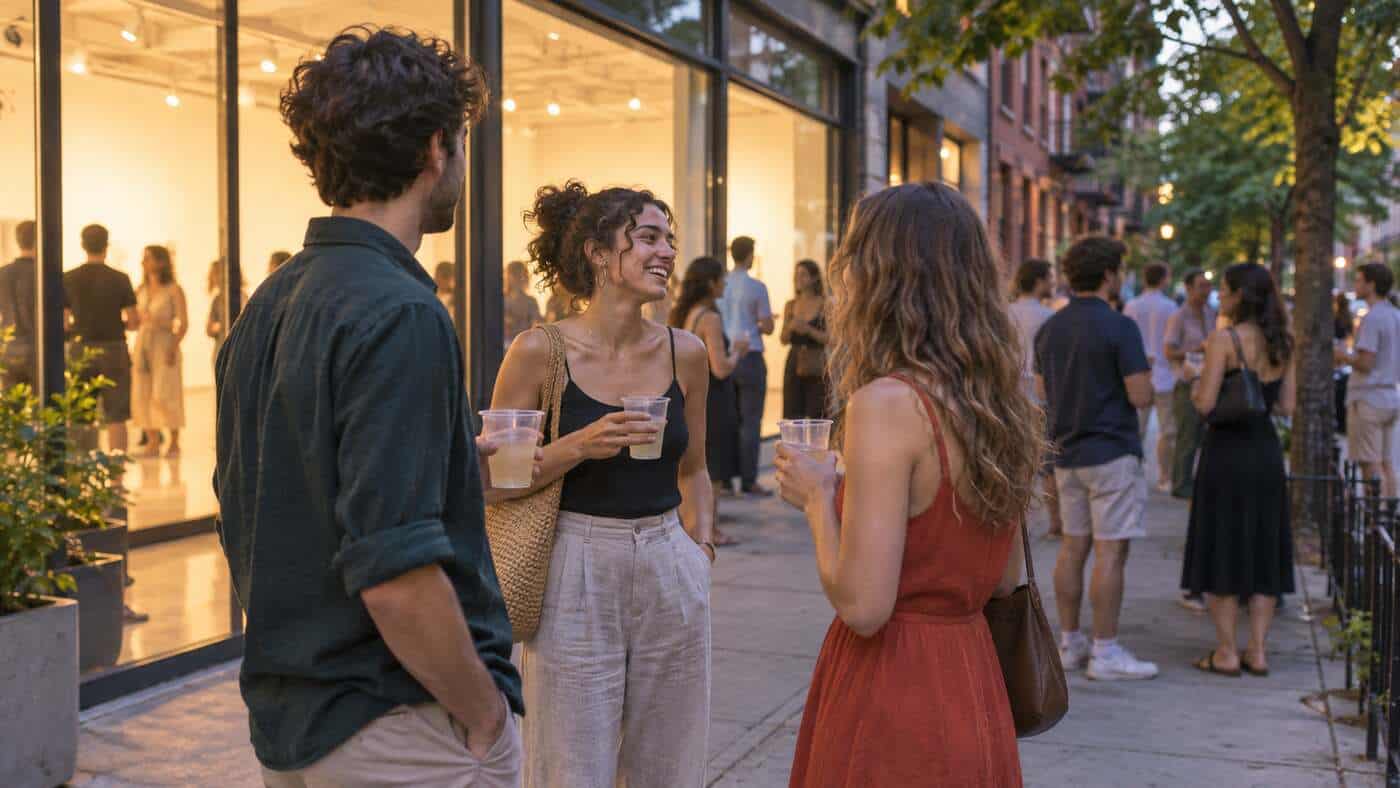
A gallery visit is simple. On View notes that commercial galleries are free, that almost all open Tuesday to Saturday from about 10 am to 6 pm and close on Sunday and Monday, and that openings cluster on Thursday evenings from 6 to 8 pm. Hyperallergic confirms that most Chelsea galleries open new exhibitions on Thursday nights. Summer hours often differ, so check each gallery’s website.
The etiquette is light. Cultured magazine says you can walk in without an appointment, that the one firm rule is not to touch the art, and that you can usually pick up a press release and ask for a price list at the front desk. New York City Tourism describes openings as good-natured and friendly affairs. Many galleries are on upper floors of shared buildings, so look for lobby directories.
Key takeaways
- Chelsea art galleries cluster between West 18th and West 28th streets and 10th and 11th avenues.
- Dia opened in 1987, Matthew Marks in 1994 and Paula Cooper in 1996, drawing galleries from SoHo.
- Gallery numbers rose from 13 in 1975 to about 350 by 2007, though counts differ by source.
- The 2005 rezoning and the High Line reshaped the area.
- Galleries are free, usually open Tuesday to Saturday, with openings on Thursday evenings.
Common questions
Are Chelsea galleries free?
Yes. Commercial galleries in Chelsea charge no admission and need no ticket, according to New York City Tourism and On View. Some large galleries state on their own sites that exhibitions are free and need no advance booking. Museums and foundations may have their own rules.
When are Chelsea galleries open?
Most open Tuesday to Saturday, roughly 10 am to 6 pm, and close Sunday and Monday, according to On View. Hours change in summer and between exhibitions, so check each gallery’s website before you go. New shows usually open on Thursday evenings.
Can anyone go to a gallery opening?
Generally, yes. Openings at commercial galleries are usually free and open to the public, typically from 6 to 8 pm. Cultured magazine notes that drinks are often offered and that you can still look at the art while others talk.
Why did galleries leave SoHo for Chelsea?
Dealers wanted bigger rooms and lower costs. The Los Angeles Times reported in 1997 that SoHo’s large ground-floor spaces had been taken by shops, while Chelsea’s garages and factories offered vast, plain, skylit rooms with concrete floors. Metro Pictures’ Helene Winer said SoHo had been “overrun” by businesses unrelated to art.
Which streets have the most galleries?
New York City Tourism defines the core as West 18th to West 27th Street between 10th and 11th avenues, and its guide lists 25 essential venues street by street. The first big spaces in the 1990s were on West 21st, 22nd and 24th streets, according to the Los Angeles Times.
How we put this together: the district’s history comes from the Los Angeles Times, The New York Times, T Magazine and Paula Cooper Gallery; gallery counts from the Observer and T Magazine; visiting advice from New York City Tourism, On View, Hyperallergic and Cultured. Hours change, so always check a gallery’s own website.
Sources
- New York City Tourism: Chelsea gallery guide
- NYC-ARTS: Chelsea galleries walking tour
- Los Angeles Times: Chelsea gallery report, 1997
- The New York Times: West Chelsea ex-garages attracting galleries, 1997
- T Magazine: Chelsea and New York art, 2023
- Paula Cooper Gallery: Information
- The Observer: Galleries flock to rich enclaves, 2013
- Hauser & Wirth: New York, 22nd Street
- On View: The best art galleries in New York City
- Hyperallergic: Why art openings are on Thursday in New York
- Cultured: Gallery etiquette for first-timers, 2024
Back to the Gallery Week Notes home page.